
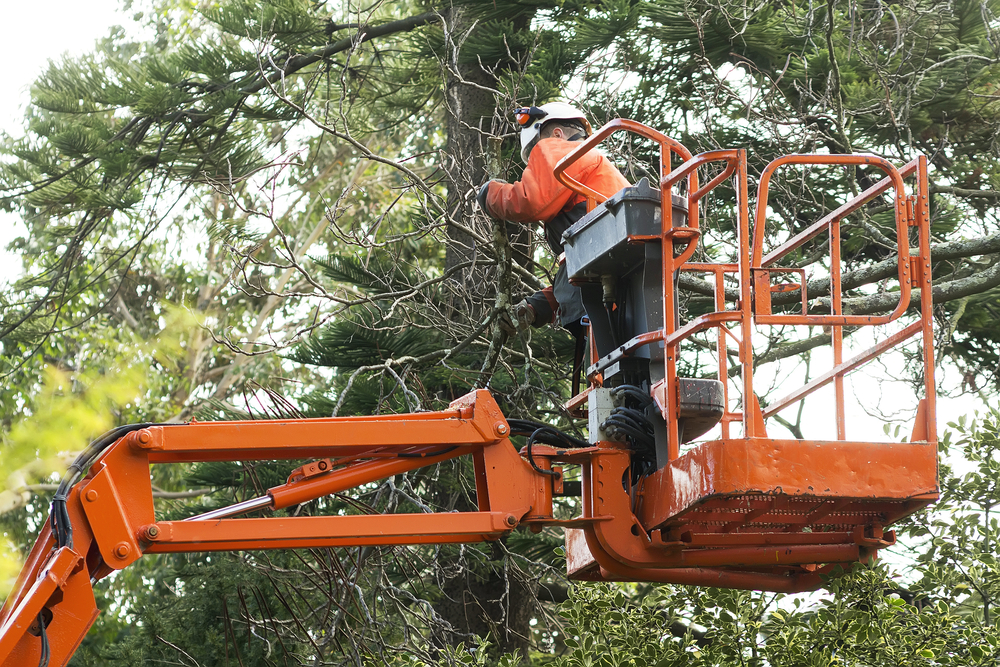
Trees add value, shade, and character to commercial properties, but that value depends on consistent care. When property owners delay tree work, small issues grow into serious problems. Deferred tree maintenance often becomes visible only after a storm, a fallen limb, or a costly insurance claim. By that point, the damage has already reached the property, the tenants, and the bottom line.
Why Deferred Tree Maintenance Becomes a Safety Issue
Trees do not fail without warning. Cracked bark, dead branches, fungal growth at the base, and leaning trunks all signal trouble long before a tree comes down. Skipping inspections and pruning cycles allows these warning signs to worsen. During Maryland’s storm season, weakened limbs and compromised trunks pose real risks to employees, customers, tenants, and vehicles. A single failed branch above a walkway or parking area can lead to injuries and legal exposure that far exceed the cost of routine care.
The Financial Cost of Waiting
Skipping tree work saves money in the short term but drives up long-term expenses. Emergency removals cost significantly more than scheduled pruning. Storm cleanup often requires cranes, road closures, and after-hours crews. Insurance premiums can climb after a claim, and damaged buildings, fences, or vehicles bring their own repair costs. Deferred tree maintenance also shortens the lifespan of the trees themselves, forcing full replacement instead of preservation.
Property Damage and Liability Exposure
Commercial property owners carry a legal duty to maintain safe premises. Courts and insurers often examine whether an owner knew or should have known about a hazardous tree. A tree with visible signs of decay that later causes injury or damage can trigger significant liability. Proactive inspections create a documented record of care, which strengthens the property’s position and reduces exposure.
How Deferred Tree Maintenance Affects Curb Appeal
Neglected trees hurt a property’s appearance long before they fail. Dead branches, sparse canopies, and weak structure send a clear message that ownership is not paying attention. Prospective tenants and customers notice. Well-maintained trees, by comparison, frame buildings, soften hard surfaces, and support the professional look that commercial properties depend on.
Building a Preventive Care Schedule
A structured maintenance plan keeps trees healthy and reduces surprises. Routine inspections identify hazards early. Scheduled pruning strengthens tree structure and removes weak limbs before storms arrive. Timely treatments address pests and disease before they spread. A qualified grounds partner can build a plan that fits the property’s specific tree inventory and risk profile.
Trust JFC Grounds Maintenance to Protect Your Trees and Your Property
Deferred tree maintenance creates risks no property owner should carry. JFC Grounds Maintenance provides professional tree care that keeps commercial properties safe, attractive, and protected year-round. Call 410.655.2887 or reach out through the contact form at https://jfcgm.com/contact-us/ to schedule an assessment.