
When it comes to maintaining a beautiful yard, many homeowners quickly realize that landscaping isn’t just a once-a-year task. As the seasons shift, so do the needs of your garden, lawn, and outdoor spaces. Understanding how seasonal changes impact your property can help you keep it looking its best all year long.
Spring: The Season of Renewal
As winter fades, spring breathes new life into your landscape. This is the time when your plants, grass, and trees wake up from their dormant state. The effects of seasonal changes during spring often include cleaning up debris left behind by winter storms, pruning shrubs and trees, and refreshing mulch beds. It’s also the perfect time to plant new flowers and reseed any patchy spots in your lawn. Since the weather is mild and rain is plentiful, your garden will respond quickly to a little TLC.
Seasonal Changes in Summer: Keeping Cool and Green
When summer arrives, your focus shifts to maintenance and hydration. The heat and intense sun can be harsh on your lawn and plants, so regular watering becomes essential. Mowing the lawn more frequently, deadheading spent blooms, and keeping an eye out for pests are all part of responding to summer’s seasonal changes. Consider adding shade plants or ground covers to protect more delicate flowers from scorching temperatures. And don’t forget to check your irrigation system to make sure it’s working efficiently.
Fall: Prepping for the Next Cycle
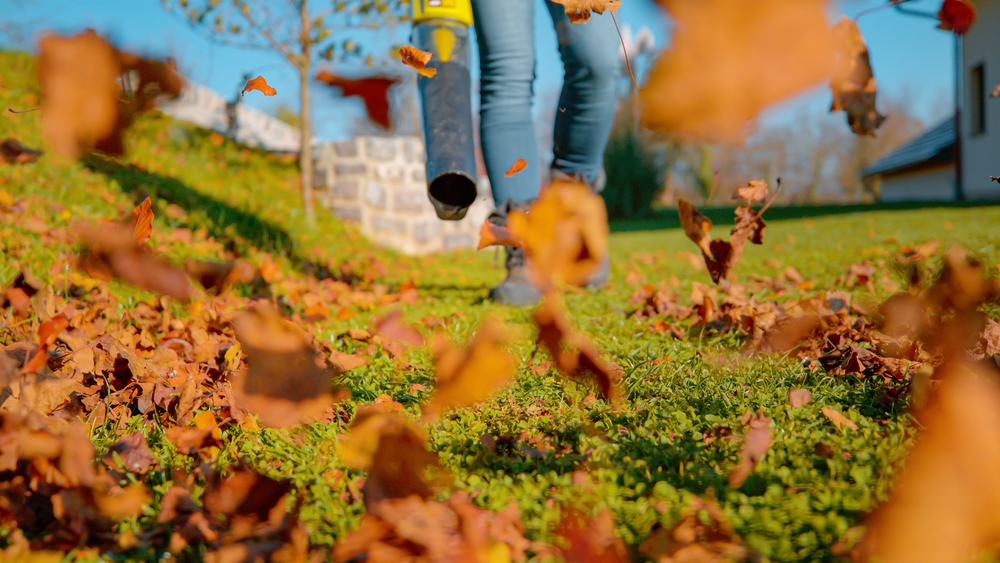
As temperatures cool and leaves start to drop, the effects of seasonal changes become even more noticeable. In fact, since we’re in the early days of fall right now, it’s the perfect moment to focus on those essential autumn tasks. Fall is the ideal time to fertilize your lawn, aerate the soil, and plant bulbs for spring blooms. Raking leaves isn’t just for looks. It helps prevent mold and keeps your grass healthy. This season is also an excellent opportunity to trim back perennials, remove annuals that have finished their lifecycle, and tackle any last-minute weeding before winter sets in. If you have trees or shrubs that need moving, fall’s cooler temperatures and increased rainfall make it an excellent time for transplanting, too. Taking care of these tasks now will set you up for success when everything wakes up in spring.
Winter: Protecting What You’ve Built
Even though your yard may look quiet in winter, there are still effects of seasonal changes to consider. Mulching around plant roots helps insulate them from the cold. It’s also wise to wrap young trees or shrubs to protect them from harsh winds and frost. Use this downtime to plan for next year, researching new plants or features you might want to add when the weather warms up.
Adapting to Your Environment
No matter the time of year, being aware of how seasonal changes impact your yard will help you make the most out of your outdoor space. By adjusting your approach with each season, you’ll keep your lawn and garden healthy, vibrant, and ready to shine whenever guests come by. Every season brings its own set of challenges and opportunities. Embrace the seasonal changes, and your landscape will always be a source of pride.
Trust JFC Grounds Maintenance to Be Your Landscaping and Grounds Maintenance Company
Are you excited for fall landscaping but not sure how to start? Give JFC Grounds Maintenance a call at (410) 655-2887.